Why Inspections Matter
Aerial lifts, scissor lifts, and telehandlers are essential pieces of equipment on our jobsites, but they can also be dangerous if they are not inspected before use. Equipment failures, hydraulic leaks, damaged guardrails, or malfunctioning controls can lead to tip-overs, falls, or struck-by incidents. A quick inspection before operating the equipment helps prevent injuries and ensures the equipment is safe to use.
Types of Equipment Covered
- Aerial lifts / boom lifts
- Scissor lifts
- Telehandlers / reach forklifts
Walk-Around Inspection, Check for:
- Hydraulic or fuel leaks
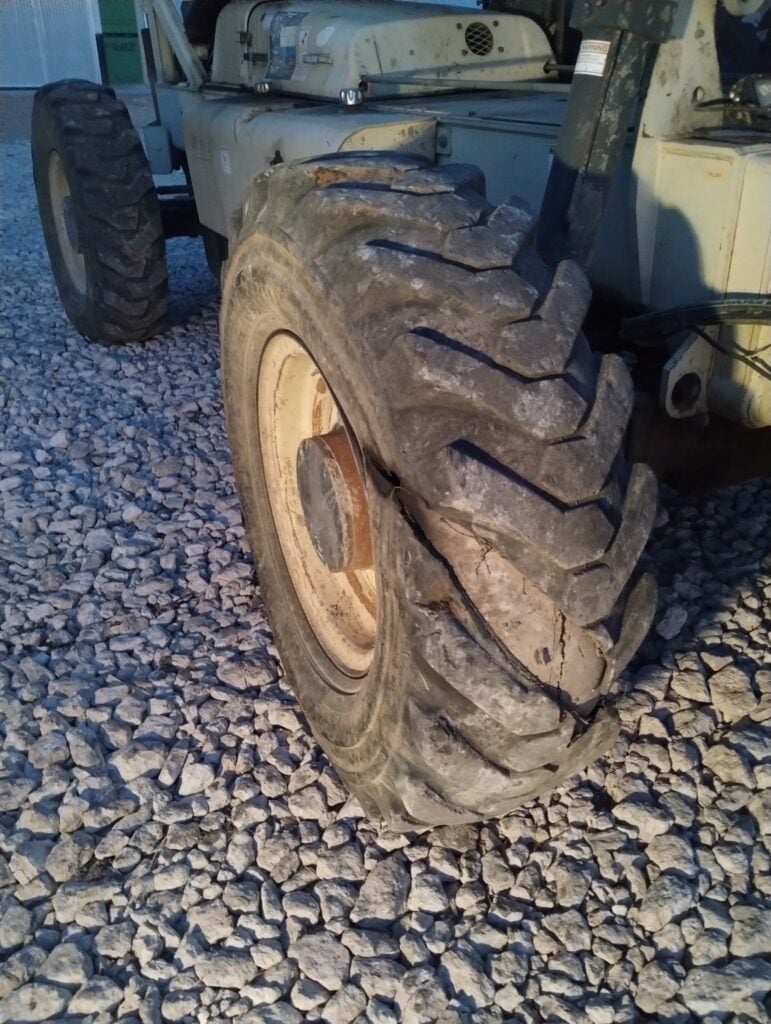
- Damaged tires or tracks
- Loose or missing bolts, pins, or components
- Damaged guardrails or gates
- Cracked welds or structural damage
- Properly secured forks or attachments (telehandlers)
- Safety decals and load charts in place
- Outriggers or stabilizers in good condition (if equipped)
Function Check
Once the visual inspection is complete, test:
- Steering and brakes
- Lift and lowering controls
- Emergency stop buttons
- Tilt and extension functions (telehandlers/boom lifts)
- Alarm systems and backup alarms
- Platform controls and ground controls
- Horn and warning lights if equipped
Operator Responsibilities
- Only trained and authorized operators should use this equipment
- Always complete the daily inspection before use
- Never bypass safety devices
- Wear fall protection when required (especially in boom lifts)
If You Find a Problem
- Do not operate the equipment
- Tag the equipment Out of Service
- Report the issue to your supervisor or equipment manager immediately
Remember Most equipment-related incidents happen because:
- Equipment was damaged
- Inspections were skipped
- Operators assumed the previous user checked it