
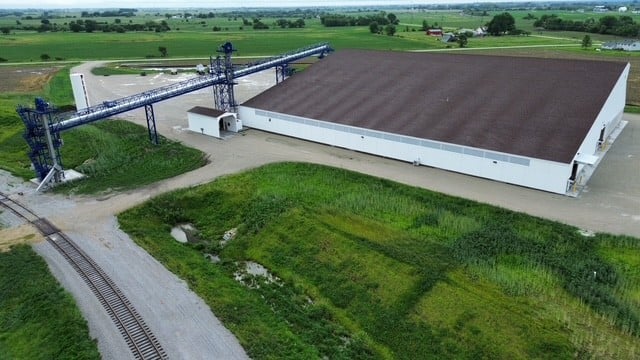
The new Stueve Construction dry fertilizer facility located in Osceola represents exactly the kind of forward-looking investment agriculture needs right now. For agronomy professionals, cooperative managers, and operations teams responsible for moving fertilizer efficiently during the busiest weeks of the season, this facility is more than a new building. It is a modern crop nutrient hub designed to improve service, protect product quality, increase speed, and strengthen the local agricultural supply chain.
In today’s fertilizer business, timing matters. Farmers need the right crop nutrients, blended accurately and loaded quickly, exactly when field conditions are ready. A well-designed dry fertilizer facility helps make that possible by creating a more dependable system for receiving, storing, blending, and loading out fertilizer products. The Osceola facility is a strong example of how modern agronomy infrastructure can help cooperatives serve growers better while positioning their operations for long-term growth.
Built for Agronomy Professionals Who Move Tonnage
Anyone who works in agronomy understands the pressure that comes with spring and fall fertilizer seasons. When the phones are ringing, trucks are lined up, tenders are rolling, and customers are waiting, the facility has to perform. A modern dry fertilizer plant must be designed around flow, safety, storage capacity, product separation, and efficient loadout.
That is where the Osceola facility stands out. It gives cooperative operations teams the kind of infrastructure needed to keep fertilizer moving with less bottleneck, better organization, and greater confidence. From receiving dry bulk fertilizer products to blending and dispatching loads to farms, the facility is built around practical, real-world agronomy demands.
For operations managers, this means better control over inventory, improved workflow, and the ability to serve more acres in a shorter window. For agronomy sales teams, it means stronger confidence when making recommendations to growers, knowing the facility behind them can deliver the products and blends their customers need.
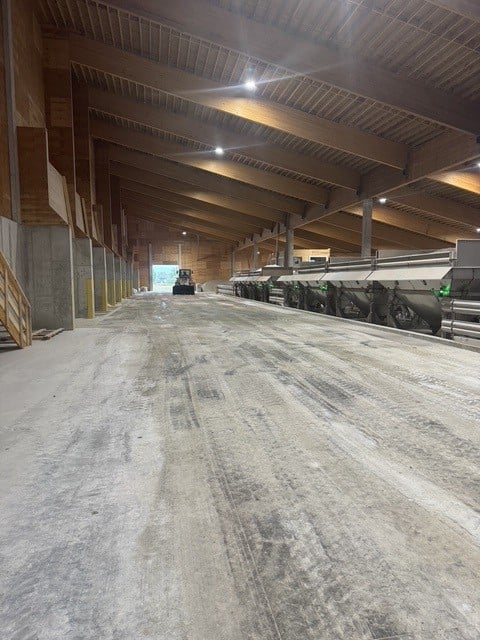
Protecting Fertilizer Quality from Storage to Loadout
Dry fertilizer is a valuable input, and protecting that investment is critical. Moisture, contamination, poor handling, and inefficient storage can all create problems that affect product quality and customer satisfaction. A well-constructed dry fertilizer storage facility helps reduce those risks by keeping products properly stored, separated, and ready for blending.
The Osceola facility reflects the importance of quality storage in modern agriculture. By giving key fertilizer products a dependable, purpose-built environment, the facility helps preserve product integrity from the time fertilizer arrives until it is loaded out for delivery.
That matters for cooperatives because product quality directly affects trust. Growers expect clean, consistent fertilizer blends that spread properly and support sound crop nutrition plans. A modern Stueve-built facility helps support that expectation by giving the agronomy team the foundation they need to do the job right.
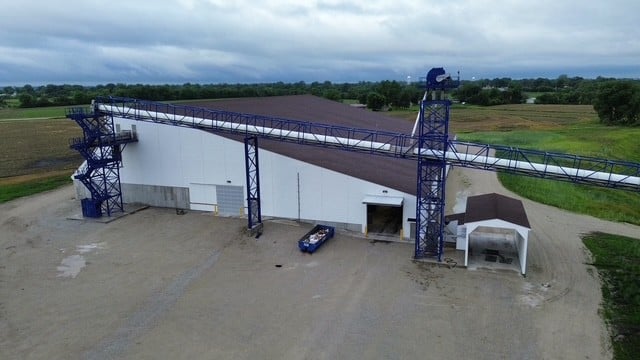
Better Blending, Better Service, Better Agriculture
The future of agriculture depends on precision, efficiency, and dependable service. Farmers are managing tighter windows, higher input costs, and greater expectations for performance. A modern dry fertilizer facility helps meet those demands by improving how fertilizer is handled and delivered.
For the Osceola area, this facility has the potential to make agriculture better in several important ways. It can help speed up fertilizer turnaround times. It can support more accurate blending. It can help cooperative teams manage peak-season demand more effectively. It can improve the overall customer experience for growers who rely on timely crop nutrient delivery.
When fertilizer moves more efficiently, farmers benefit. When farmers can get the right product at the right time, crops benefit. When cooperatives can serve their members with greater speed and reliability, the entire agricultural community becomes stronger.
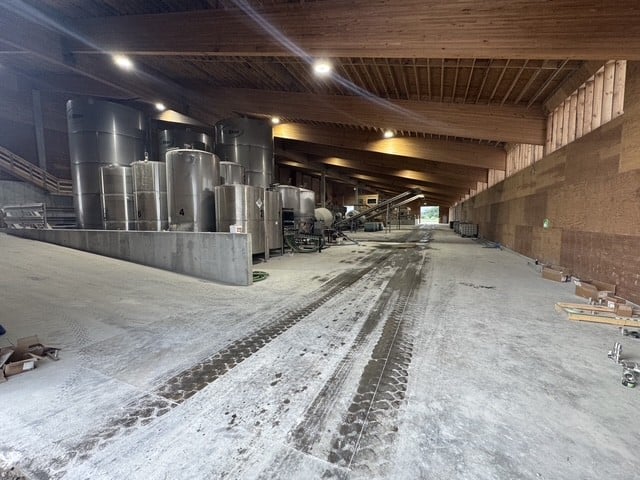
A Facility Designed for the Future of Cooperative Agronomy
Farmer-owned cooperatives and agronomy businesses are being asked to do more than ever before. They must manage product availability, labor challenges, environmental expectations, logistics, safety, technology, and customer service all at the same time. That requires facilities built not only for today’s demands, but also for tomorrow’s opportunities.
The new Osceola dry fertilizer facility is the kind of investment that helps a cooperative remain competitive. It creates a stronger base of operations for fertilizer storage, blending, and delivery. It gives agronomy teams a more efficient platform to serve growers. It also demonstrates a commitment to long-term agricultural progress in the region.
For operations managers, the value is clear: better infrastructure leads to better performance. For agronomy professionals, the facility becomes a tool that supports better recommendations, better service, and better grower relationships.
Why Facilities Like Osceola Matter
A dry fertilizer plant may look like a building from the outside, but to the people who understand agriculture, it is much more than that. It is a service center. It is a logistics hub. It is a quality-control point. It is a seasonal performance engine. It is where planning turns into execution.
The Osceola facility represents a major step forward for local agriculture because it helps connect crop nutrient supply with field-level demand. It supports the people who make fertilizer season work: the operators, applicators, tender drivers, dispatchers, sales agronomists, managers, and growers who depend on reliable infrastructure.
Agriculture gets better when the systems behind it get better. Modern fertilizer facilities help cooperatives reduce delays, improve safety, protect product, and deliver more consistent service to farmers. That is what makes the new Stueve dry fertilizer facility in Osceola such an exciting development.
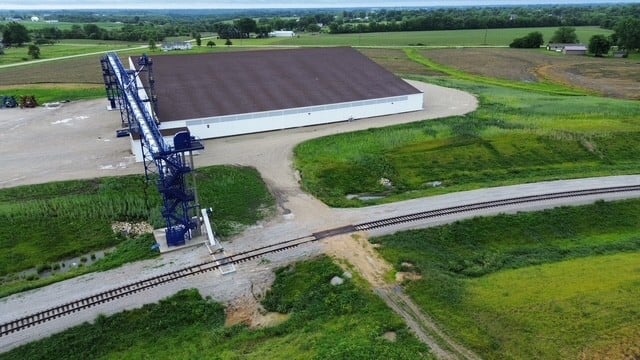
A Strong Example of Modern Fertilizer Facility Construction
Stueve Construction has built its reputation around fertilizer facility construction, and projects like Osceola show why specialized experience matters. Fertilizer buildings are not generic warehouses. They must be designed for corrosive environments, heavy use, product flow, storage needs, blending systems, truck traffic, and long-term durability.
For cooperatives considering a new dry fertilizer plant, Osceola is a reminder that the right facility can transform an agronomy operation. It can make daily work more efficient, improve grower service, and create a stronger foundation for future growth.
The new Osceola dry fertilizer facility is a win for agriculture, a win for cooperative operations, and a win for the growers who depend on timely, high-quality crop nutrient service. It is a facility built for performance, built for service, and built for the future of farming.
To learn more about dry fertilizer storage buildings, blending facilities, and agronomy construction solutions, visit Stueve Construction at www.stueve.com.